
When Pakistan national cricket team chased down 128 runs in just 15.3 overs to beat Sri Lanka national cricket team by seven wickets on November 25, 2025, at Rawalpindi Cricket Stadium, it wasn’t just a win — it was a statement. Sahibzada Farhan smashed an unbeaten 80 off 45 balls, turning what looked like a low-scoring grind into a masterclass in controlled aggression. The crowd, packed to its 15,000-seat capacity, roared as the final boundary sealed Pakistan’s fifth win in six matches during the 2025 Pakistan T20I Tri-Nation SeriesRawalpindi. With just one more victory needed, Pakistan now sits on the brink of the final — and the pressure is on Sri Lanka to respond.
Security Concerns Almost Derailed the Series
This tournament almost didn’t happen. A security incident near a court complex in Islamabad on November 11, 2025, rattled the Sri Lankan camp. Players voiced concerns. Their board, Sri Lanka Cricket (SLC), considered pulling out. But after intense talks with the Pakistan Cricket Board (PCB) and local security officials, the tour continued — under tighter protocols. All matches were shifted exclusively to Rawalpindi, a city with a proven track record of hosting high-profile games safely. The decision wasn’t just logistical — it was emotional. Players from both sides acknowledged the courage it took to keep playing under uncertainty.Key Squad Changes Shaped the Narrative
Changes in both squads altered the dynamics. On November 9, Pakistan dropped all-rounder Hassan Nawaz and brought back veteran opener Fakhar Zaman. He didn’t play in this match, but his presence in camp added experience. Meanwhile, Sri Lanka lost two key players — Charith Asalanka and Asitha Fernando — to illness on November 17. Captaincy passed to Dasun Shanaka, who had to lead a reshuffled unit under pressure. The added depth came with Pavan Rathnayake and Vijayakanth Viyaskanth, but the team’s rhythm was clearly disrupted.Farhan’s Fireworks and Nawaz’s Spell
Sri Lanka’s 128 for 9 looked competitive on paper. Janith Liyanage top-scored with 41 off 38, but the rest of the batting collapsed under Mohammad Nawaz’s precision. The off-spinner took 3 for 16 in four overs — a spell that turned the game. His yorkers and subtle variations had Sri Lankan batters guessing. In response, Farhan didn’t just chase — he owned the innings. He smashed 11 fours and 4 sixes, including a brutal 18-run over off Dushmantha Chameera, who finished with 2 for 29. The partnership of 87 runs between Farhan and Iftikhar Ahmed (32 off 24) was the backbone of the chase. Pakistan lost only three wickets, and the finish came with 27 balls to spare.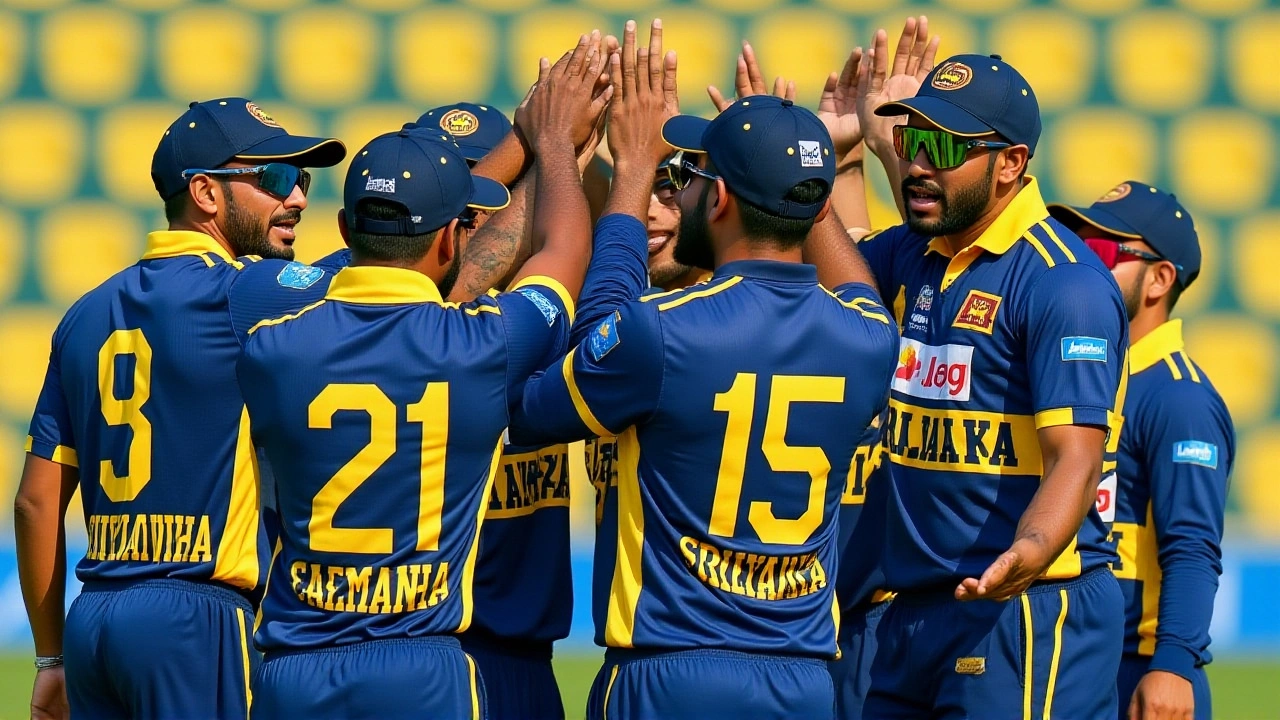
Why This Matters Beyond the Scoreboard
This isn’t just about who plays in the final on November 29. It’s about momentum heading into the 2026 Men's T20 World CupIndia and Sri Lanka. Pakistan’s coaching staff, led by head coach Aqib Javed and fielding coach Shane McDermott, have been drilling aggressive middle-order play. Farhan’s innings proved they’re not just building a team — they’re building a mindset. Sri Lanka, on the other hand, looks vulnerable. Their top order hasn’t fired consistently, and their spin options beyond Wanindu Hasaranga remain thin.What’s Next? The Final Countdown Begins
Pakistan’s next match — the sixth T20I of the series — is against Sri Lanka on November 27, 2025, again at Rawalpindi Cricket Stadium. A win there seals their place in the final. Sri Lanka must win that match and hope Zimbabwe beats Pakistan in their final group game on November 29 to even have a chance. The final, scheduled for November 29, will determine who lifts the trophy — but more importantly, who enters the World Cup with real confidence. Rawalpindi’s pitch, known for offering balance, will likely favor batsmen again. But with the pressure mounting, even the best strokeplay can crumble.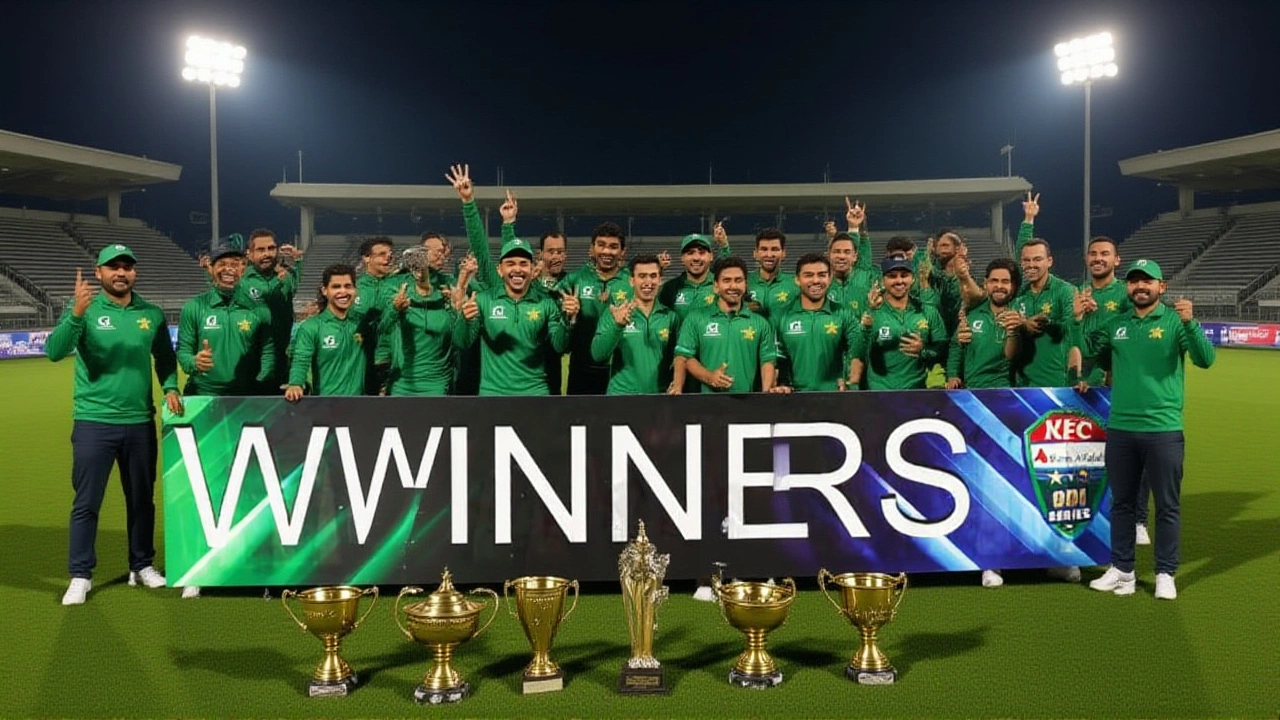
Behind the Scenes: The PCB’s Quiet Power
The Pakistan Cricket Board (PCB), headquartered in Lahore and led by Chairman Zaka Ashraf, didn’t just organize a tournament — they navigated a crisis. From rescheduling matches to coordinating security upgrades, they showed organizational maturity rarely seen in regional tournaments. Their ability to keep the series alive despite international skepticism speaks volumes. Zimbabwe, the third team, remains in contention but has struggled with consistency — they lost both matches against Pakistan and were bowled out for 97 in their game against Sri Lanka.Frequently Asked Questions
How did Sahibzada Farhan’s innings compare to past T20 performances by Pakistani batters?
Farhan’s 80* off 45 balls ranks among the top five fastest T20I innings by a Pakistani batter in terms of strike rate (177.77). Only Babar Azam’s 78* off 41 balls in 2023 and Mohammad Rizwan’s 82* off 44 in 2024 were faster. His ability to accelerate from ball 10 — scoring 56 of his 80 runs in the final 10 overs — mirrors the aggressive philosophy the PCB has pushed since 2023. This wasn’t just a personal milestone — it was a blueprint for how Pakistan wants to bat in high-pressure T20s.
Why was the tournament moved entirely to Rawalpindi?
After the November 11 security incident in Islamabad, Sri Lankan officials demanded a single, secure venue. Rawalpindi Cricket Stadium was chosen because it’s a well-established international venue with strong local security infrastructure, and it’s only 15 miles from Islamabad — making travel manageable. The PCB also avoided using Lahore’s Gaddafi Stadium due to its larger size and higher public exposure, reducing potential risks. All three teams agreed to the move, which ultimately streamlined logistics and boosted crowd attendance.
What impact does this win have on Pakistan’s World Cup prospects?
Pakistan’s dominance in this series signals a return to form after a shaky 2024 T20 World Cup campaign. Farhan’s emergence as a finisher, Nawaz’s control in the middle overs, and the depth in their top six suggest they’ve solved key problems. With the 2026 World Cup co-hosted by India and Sri Lanka, this win gives Pakistan psychological edge — especially against their group rivals. If they carry this momentum, they’re serious contenders to reach the knockout stage.
Why didn’t Sri Lanka’s top order perform consistently?
Sri Lanka’s top order has struggled since losing key players like Asalanka and Fernando. Their opening pair averaged just 21.3 in the series, and no batter has scored over 50 in a single innings. The absence of consistent spin-bowling support from their middle order has also left them exposed against Pakistan’s aggressive middle-order hitters. Without a settled batting lineup, their strategy looks reactive rather than proactive — a dangerous flaw in T20 cricket.
How does the PCB’s handling of this series compare to past tournaments?
Unlike the 2023 Asia Cup, where scheduling chaos and venue changes drew criticism, the PCB this time demonstrated clear communication and decisive action. They moved quickly to reassure Sri Lanka, maintained transparency with the media, and kept the schedule intact despite setbacks. Their ability to pivot from a security crisis to a successful tournament is a sign of maturing administration — a stark contrast to the instability that plagued the board in the early 2020s.
Who are the likely finalists, and what’s at stake?
Pakistan is all but guaranteed a spot in the final after this win. The second finalist will likely be either Sri Lanka or Zimbabwe, depending on the November 27 and 29 results. If Sri Lanka beats Pakistan on the 27th, they’ll still need Zimbabwe to defeat Pakistan on the 29th to overtake them — a slim chance. The final, on November 29, isn’t just about the trophy — it’s about confidence, selection for the World Cup, and national pride. For Pakistan, it’s a chance to silence critics and announce themselves as serious contenders.