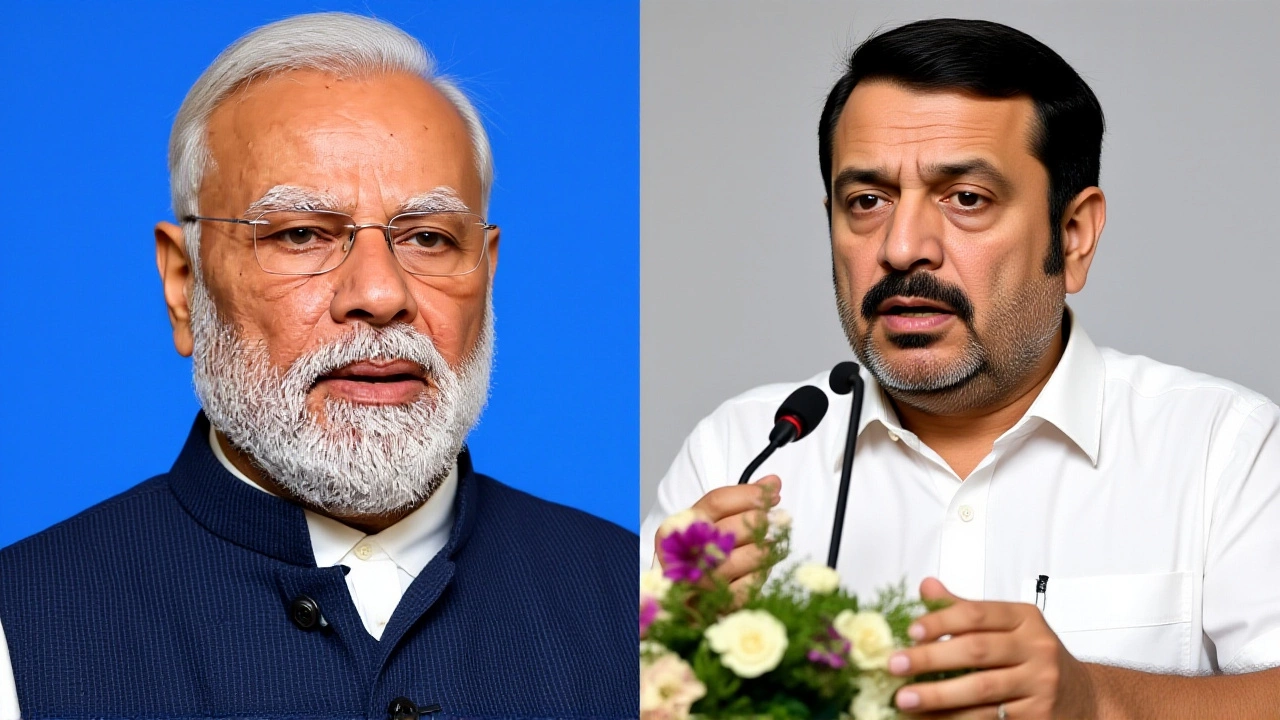
When Rahul Gandhi, Leader of the Opposition in the Lok Sabha and senior leader of the Indian National Congress, made a startling prediction on May 24, 2026, it sent shockwaves through New Delhi’s political corridors. Speaking at an internal meeting of the party’s Minority Advisory Committee, he declared that Prime Minister Narendra Modi’s government would not survive the next year.
The claim wasn’t made from a rally stage but within the closed doors of a strategic session focused on minority politics. Yet, the words leaked out with explosive force: "The departure of PM Modi is certain within the next year." Here’s the thing—this isn’t just political posturing. It’s a direct challenge to the ruling coalition’s stability, citing deepening economic dissatisfaction as the primary catalyst for potential collapse.
The Economic Argument Behind the Prediction
Gandhi’s assertion rests heavily on the current economic climate. He pointed to deteriorating international economic conditions and rising domestic discontent as fatal flaws in the current administration’s tenure. According to reports from Aaj Tak, sources close to the Congress party revealed that Gandhi linked global economic instability directly to local anger over inflation and unemployment.
Turns out, the specific grievances are tangible. Rising fuel prices, persistent joblessness, and skyrocketing costs of living have created what Gandhi described as "terrible public outrage." The argument is straightforward: if the economic pain continues unchecked, the social contract holding the government together will fracture. This mirrors previous opposition strategies where economic distress was leveraged to question electoral mandates, but this time, the timeline is aggressively short—one year.
BJP Strikes Back: Allegations of Conspiracy
The reaction from the ruling camp was swift and severe. Piyush Goyal, Union Minister and senior leader of the Bharatiya Janata Party (BJP), dismissed the claims as part of a larger plot to destabilize India. In a statement reported by digital platform Lallantop, Goyal accused Gandhi of aligning with the so-called "Toolkit Gang"—a term often used by BJP leaders to describe alleged foreign-backed efforts to undermine national stability.
"Rahul Gandhi is conspiring to bring down the government through anarchy," Goyal stated, framing the comments not as political critique but as a threat to national security. This rhetoric shifts the narrative from policy debate to ideological warfare, suggesting that any criticism of the government’s economic record is inherently anti-national. It’s a tactic designed to neutralize dissent by labeling it as treasonous, rather than addressing the underlying economic concerns raised by the opposition.
Internal Dynamics and Coalition Fragility
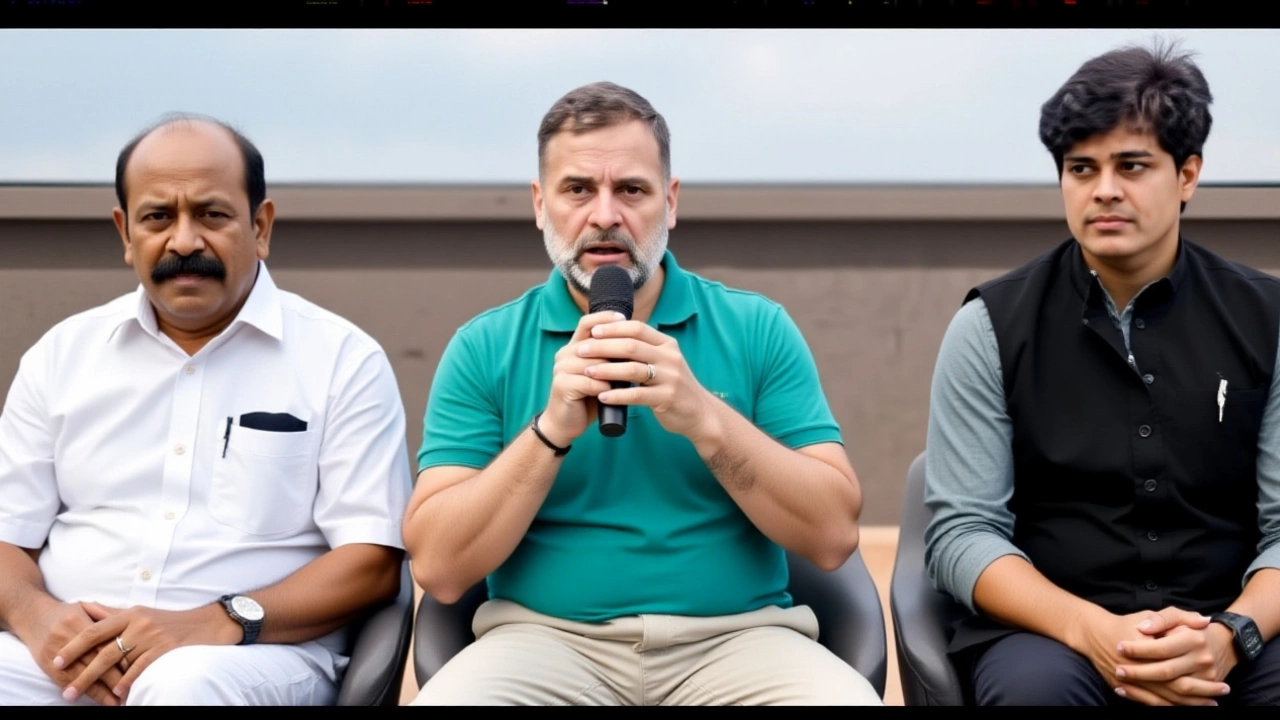
Beyond the headline-grabbing quotes, there’s a deeper structural vulnerability being exploited. Analysis from Saty Hindi’s program *Janadesh Charcha* suggests that the central government operates more like a minority administration, propped up by fragile alliances. One panelist noted, "This government is standing on stilts," implying that its majority is precarious and dependent on continuous support from smaller partners.
This fragility becomes critical when combined with external pressures. If key allies withdraw support due to economic mismanagement or regional disputes, the government could indeed face instability well before the next general election. The mention of Mamata Banerjee, Chief Minister of West Bengal, adds another layer. Her recent statements and calls for unity within the INDIA alliance bloc suggest that coordinated opposition pressure might be mounting, further straining the ruling coalition’s resolve.
Media Narratives and Public Perception
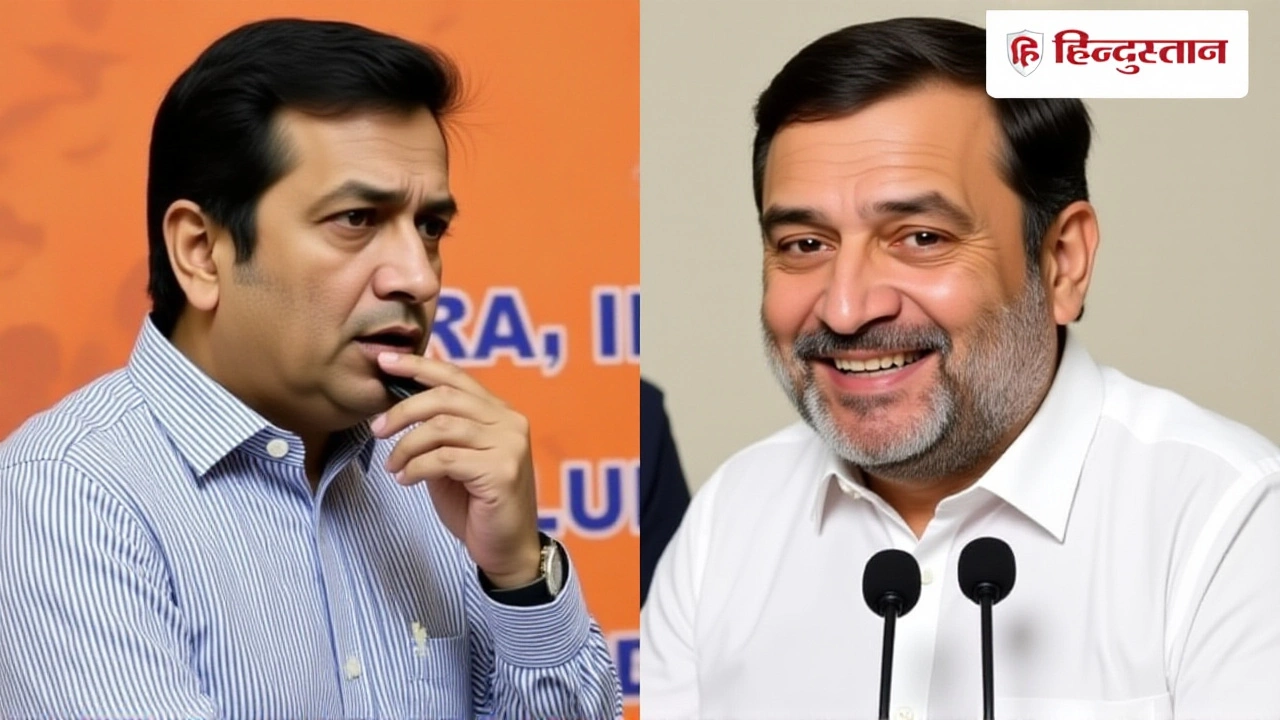
Interestingly, some media analysts argue that the phrasing of Gandhi’s comment may have been simplified for impact. While he reportedly said the government "wouldn’t last even a year" under current economic conditions, outlets amplified it to "will fall." This distinction matters. One implies conditional survival based on performance; the other predicts inevitable collapse. Regardless of the nuance, the message has landed: voters are increasingly aware of economic hardships, and the opposition is positioning itself as the voice of that frustration.
The broader implication? Trust in institutions is eroding. When citizens feel disconnected from economic progress, political loyalty wanes. Whether Gandhi’s prediction comes true depends less on prophecy and more on whether the government can deliver immediate relief on inflation and jobs. Until then, the clock is ticking.
Frequently Asked Questions
What exactly did Rahul Gandhi say about the Modi government?
During a private meeting of the Congress Minority Advisory Committee on May 24, 2026, Rahul Gandhi stated that the Narendra Modi-led government would not survive the next year. He attributed this potential collapse to worsening economic conditions, including high inflation, unemployment, and rising fuel costs, which he argued would lead to widespread public anger.
How did the BJP respond to these claims?
The BJP reacted strongly, with Union Minister Piyush Goyal accusing Gandhi of participating in a conspiracy to destabilize India. Goyal labeled the remarks as part of a "Toolkit Gang" strategy aimed at creating anarchy and undermining democratic processes, rather than engaging with the economic criticisms themselves.
Is the current government considered stable?
Analysts suggest the government relies heavily on coalition partners, making it potentially vulnerable. Described as operating on "stilts," its stability depends on maintaining support from smaller parties. Any withdrawal of support due to policy disagreements or economic failures could trigger significant political instability.
What role does the economy play in this political conflict?
Economic dissatisfaction is central to the opposition's argument. High inflation, unemployment, and rising living costs are cited as reasons why public support for the government may erode quickly. The opposition believes that sustained economic pain will force voters to reject the incumbent administration in upcoming elections or no-confidence motions.
Who else is involved in this political tension?
Besides Rahul Gandhi and the BJP, figures like Mamata Banerjee of the Trinamool Congress are seen as influential players. Her ability to unite the INDIA alliance bloc could strengthen opposition efforts. Additionally, various media outlets and analysts are shaping public perception by interpreting and amplifying these political statements.